
MCN Singapore
Back to Insights
Blog

Thomas Ong's HDB Downsize and the Singapore Celebrity Lifestyle Creator Trend -- What It Signals for Brand Collaboration

2026.09.30 · 7 min read

Veteran Mediacorp actor Thomas Ong's documented move from a three-room HDB flat to a 38 sqm 2-room Flexi unit illustrates how mid-career Singapore celebrities are building lifestyle creator identities around intentional downsizing -- a content posture that opens distinct brand collaboration opportunities in home, wellness and everyday-living categories.

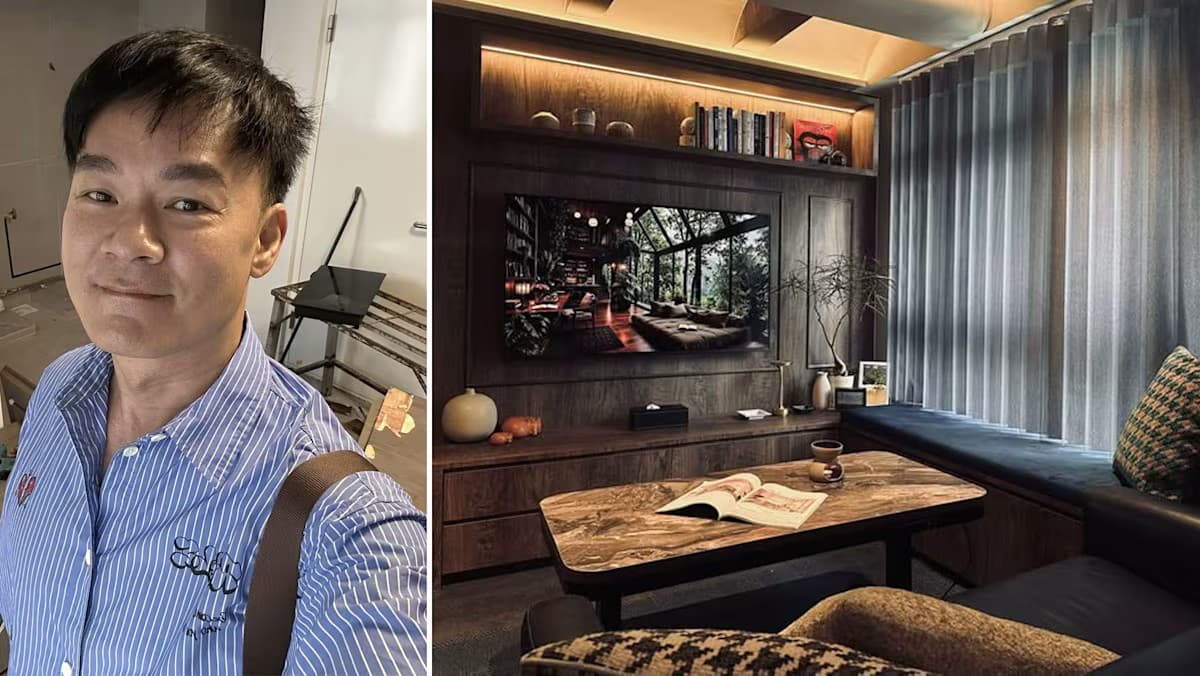
Thomas Ong Downsizes From 3-Rm HDB To 2-Rm Flexi Flat, Jokes Everything At Home Is Just “Two Steps” Away Now - 8days

Intentional Downsizing as a Content Strategy

The Singapore celebrity lifestyle creator space is increasingly defined not by aspiration upward but by deliberate simplification -- and Thomas Ong's publicly documented move to a 38 sqm 2-room Flexi HDB unit is a clear signal of that shift. The 57-year-old actor, known on social media as 'Lao Wang', announced the move on Facebook, sharing that he had spent a year and a half applying twice through HDB's Sale of Balance Flats (SBF) scheme before securing the unit. He described it as 'the happiest thing' to happen to him this year. This piece examines what that content posture means for brands and agencies working the Singapore market.

Ong's approach is structurally different from the celebrity home-reveal format that dominates regional entertainment media. Rather than a single sponsored tour, he has released a sequential series of room-by-room social posts -- bedroom dark green wall panelling and warm lighting, then dark wood kitchen cabinetry with marble-look surfaces, then a moody, hotel-like living room -- over several months. That episodic cadence generates repeated engagement touchpoints around a single asset: his home renovation journey.

The Mechanics Behind Sequential Home-Content Campaigns

Sequential home content -- releasing one room at a time across weeks or months -- is a well-established format in the broader lifestyle creator space because each instalment resets the audience's attention and extends the organic reach window of a single renovation project. For a Singapore celebrity lifestyle creator operating primarily on Facebook (Ong's stated primary platform for these updates), the format also works with Facebook's algorithm, which rewards return engagement on posts within a creator's profile.

Ong's self-deprecating framing -- 'Lao Wang is naturally lazy', jokes about needing only 'two steps' to cross his entire flat -- is tonally distinct from the aspirational renovation content that typically attracts home-furnishing sponsorships. It positions him closer to the 'honest everyday living' register that has driven engagement for mid-tier lifestyle creators in Singapore's 35-55 demographic. Brands in categories such as compact home appliances, space-saving storage, and wellness-adjacent everyday products have a clear alignment opportunity that a larger, more glamorous renovation would not provide.

What This Means for Brands and Agencies Targeting the 35-55 Singapore Audience

Ong's content signals a commercially underserved segment: established Singapore celebrities who command legacy audience trust but operate at a scale and tone that does not fit conventional influencer-tier pricing models. At 57, with a career rooted in Mediacorp drama, Ong carries name recognition that most micro-creators cannot replicate, yet his content register -- casual Facebook posts, self-shot room photography, conversational captions -- matches the production style of a mid-tier creator rather than a broadcast talent.

For agencies building brand collaboration briefs, the practical consequence is that this profile may be priced and contracted differently from either a top-tier Mediacorp talent deal or a standard influencer campaign. The HDB 2-room Flexi context also anchors the content in a highly relatable Singapore housing reality: the SBF scheme is an HDB public housing balloting mechanism open to eligible Singaporeans, meaning Ong's audience can map his experience directly onto their own housing decisions. Products or services that integrate naturally into small-space living -- compact vacuums, modular furniture, meal delivery, neighbourhood F&B -- gain contextual credibility that a generic celebrity endorsement does not.

What the Market Should Watch Next

The open question is whether Ong's home series transitions into formal brand collaborations or remains organic content. His posts to date carry no disclosed sponsorship markers, meaning the commercial potential has not yet been activated -- or at minimum, has not been publicly disclosed in the source reporting. If a brand partnership is announced, the disclosure format will matter: Singapore's ASAS (Advertising Standards Authority of Singapore) guidelines require clear labelling of paid content, and the episodic nature of his posts would require per-post disclosure rather than a single campaign tag.

More broadly, the Singapore celebrity lifestyle creator segment warrants attention from agencies precisely because it sits in a gap between broadcast talent representation (handled by Mediacorp's own commercial arm) and the open influencer market. As more mid-career local celebrities reach life stages -- downsizing, retirement planning, health and wellness pivots -- that naturally align with high-spend consumer categories, the content formats they choose will determine which brand categories can credibly attach to their narratives.

A Content Posture That Reflects a Broader Singapore Housing Reality

Thomas Ong's 2-room Flexi move is not an isolated personal story. It maps onto a documented pattern in Singapore's housing landscape: the HDB 2-room Flexi scheme was introduced specifically for singles and elderly households seeking smaller, lower-cost public housing, and SBF exercises are a periodic resale mechanism that requires sustained effort to navigate. Ong's disclosure that he applied twice over 18 months before succeeding contextualises the effort involved and adds credibility to the narrative.

For the Singapore celebrity lifestyle creator category, that credibility is the asset. Audiences who have themselves navigated HDB balloting, renovation constraints, or small-space living recognise the specificity of Ong's account. That recognition is what brand collaborations in this space are ultimately purchasing -- not reach alone, but the trust that comes from a creator whose stated life choices are publicly verifiable and locally resonant.

Frequently Asked Questions

A 2-room Flexi flat is an HDB public housing flat type designed primarily for singles and elderly households, typically between 36 and 45 sqm. Thomas Ong's unit is 38 sqm. Its relevance for lifestyle content is that it represents an aspirational simplification narrative rather than an aspirational upgrade -- a less-common but growing content posture among Singapore celebrities that aligns with compact-living product categories.

According to the 8days source article, Ong applied through HDB's Sale of Balance Flats (SBF) scheme -- a periodic exercise that releases unsold or returned public housing units. He applied twice over approximately 18 months before successfully balloting for his current 38 sqm unit in 2026. The SBF is a distinct route from the standard Build-To-Order (BTO) exercise.

Based on the content he has published -- cleaning routines completed in under 30 minutes, compact kitchen use, nearby F&B as a substitute for home cooking -- the most contextually credible brand categories include compact home appliances, cleaning products, modular or space-saving furniture, meal delivery services, and neighbourhood F&B or lifestyle brands. Categories requiring aspirational large-home imagery would be misaligned.

The 8days source article contains no mention of disclosed brand partnerships or sponsorship markers attached to Ong's home posts. As of the reporting date (28 September 2026), the content appears to be organic. Any future paid collaboration would require disclosure under Singapore's ASAS guidelines on advertising transparency.

Established local celebrities such as Thomas Ong carry legacy name recognition from broadcast careers but typically operate social media channels at production scales and content registers closer to mid-tier influencers. They sit between Mediacorp's commercial talent representation structure and the open influencer market, creating a pricing and contracting gap that agencies have not consistently addressed with standardised frameworks.

According to the source article, Ong's home-downsize updates have been published on Facebook, where he posts as 'Lao Wang'. The episodic format -- individual room reveals spaced over several months -- is suited to Facebook's return-engagement algorithm dynamics and to his existing audience base on that platform.

Sequential home content extends the organic reach window of a single renovation project by resetting audience attention with each new instalment. Each post generates its own engagement cycle rather than concentrating all reach in a single publication date. For brands, this means a sponsorship integration can be distributed across multiple posts, increasing the total number of impression-generating touchpoints from one content partnership.

Source: 8 DAYS ↗