
MCN Singapore
Back to Insights
Blog

Former Mediacorp Actress Tracy Lee Expands Into Business Ownership — What Celebrity Pivots Signal for Singapore's Creator Economy

2026.08.05 · 7 min read

Tracy Lee's move from acting into maid agency co-ownership and food retail illustrates a pattern increasingly visible in Singapore's creator economy: former entertainment talent building portfolio businesses that reduce dependence on a single income stream or media platform.

A split illustration showing a television or stage spotlight on the left transitioning to a row of small business storefronts on the right, representing a Singapore celebrity's shift from entertainment into SME ownership.

Entertainment Careers as Launchpads for Portfolio Businesses

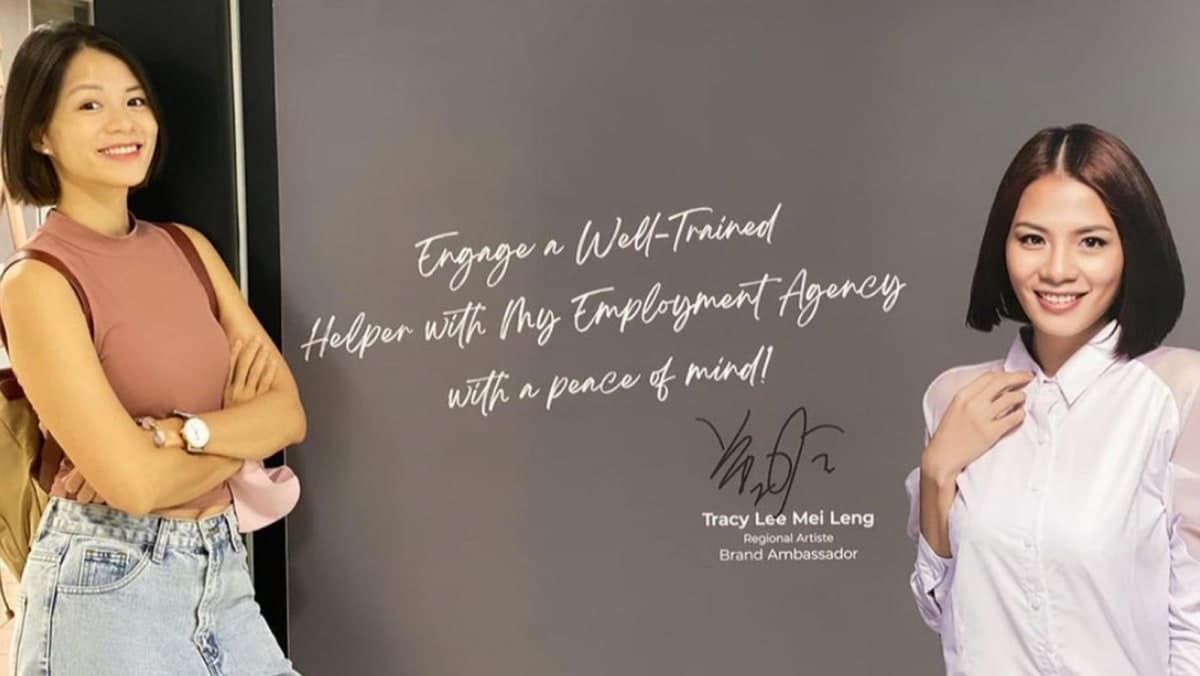
The Singapore celebrity business pivot into the creator economy is not a new phenomenon, but the range of sectors former entertainment talent now enters is widening. According to 8days.sg, former Mediacorp actress Tracy Lee — who stepped back from acting following the death of her husband Ben Goi in 2019 — has, as of July 2021, co-founded My Employment Agency, a maid placement firm, while simultaneously running a Chinese New Year cookie business and serving as a consultant to an online marketplace. This piece examines what that portfolio structure signals about how Singapore celebrities are repositioning themselves commercially, and what it implies for brands and agencies working with talent at this career stage.

The source article frames Tracy Lee's motivations as personal rather than financial — she is quoted as wanting to prove her capabilities to herself and to her young son. That framing is common in celebrity entrepreneurship narratives, but the underlying commercial logic is more structural: diversified income streams across unrelated sectors reduce exposure to the volatility of any single channel, whether that channel is a media contract, a social platform algorithm, or a seasonal product category.

Multiple Revenue Streams Reflect a Deliberate Departure from Platform Dependency

Tracy Lee's business portfolio — domestic staffing services, food retail, and marketplace consultancy — spans sectors with fundamentally different revenue cycles and customer relationships. A maid agency earns recurring placement fees and generates repeat business through worker renewals; a cookie business is seasonal and brand-driven; a consultancy role is likely retainer- or project-based. None of these depend on social media reach or broadcasting slots, which marks a meaningful structural difference from the influencer model that many former performers adopt as a first exit from entertainment work.

This distinction matters for the creator economy because it illustrates two distinct post-entertainment paths available to Singapore talent. The first — and more studied — path is the direct creator route: converting celebrity recognition into a content following, monetising through brand partnerships, affiliate deals, and platform revenue shares. The second path, which Tracy Lee appears to be following, treats celebrity recognition as reputational capital that lowers the barrier to entry in conventional SME sectors, such as employment services or food and beverage, without necessarily requiring sustained content output. Both paths draw on the same underlying asset — public name recognition — but they deploy it differently and carry different risks.

What This Means for Brands and Talent Agencies Evaluating Celebrity Partnerships

For brand collaboration teams and MCN agencies assessing talent, the celebrity who runs an independent business introduces a consideration that a pure content creator does not: potential category conflict and divided attention. A talent who co-owns a domestic staffing agency is less likely to accept an exclusive lifestyle or home-services brand partnership than a talent whose livelihood depends entirely on sponsored content. Agencies should map the full commercial footprint of talent, not only their social media metrics, before structuring exclusivity clauses or long-term ambassador agreements.

Conversely, talent with demonstrated SME experience often brings commercial credibility that resonates with audiences beyond entertainment fan bases. A product or service endorsed by someone who is publicly known to run her own businesses carries a different persuasive weight than an endorsement from a talent whose only visible commercial activity is sponsored posts. For Singapore brands targeting audiences who respond to self-made or entrepreneurial identity markers, this profile of talent — established entertainment background combined with active business ownership — represents an underutilised positioning opportunity.

The Pattern Ahead: Recognition Capital Deployed Outside Content

Tracy Lee's trajectory, as reported by 8days.sg, is unlikely to be an isolated case. As Singapore's entertainment industry continues its structural shift — with traditional broadcasting audiences fragmenting across streaming and social platforms — more talent will face extended gaps between media engagements. Those with sufficient public recognition and access to capital or co-founders will pursue the kind of multi-sector SME model Tracy Lee exemplifies. Whether or not they maintain a content presence alongside those businesses will determine whether MCNs and creator agencies remain relevant intermediaries in their commercial relationships.

What remains an open question is how platforms and agencies will classify and service talent in this hybrid position. Creators who build businesses independent of content pipelines do not fit neatly into standard influencer-agency models, which are typically structured around deliverable counts, follower tiers, and platform-specific analytics. The industry infrastructure for managing 'celebrity entrepreneurs' — as distinct from influencer-creators — remains underdeveloped in Singapore, and the gap between those two categories is widening.

A Repeating Signal in Singapore's Creator and Entertainment Landscape

The Singapore celebrity business pivot into the creator economy, or adjacent to it, is best understood not as individual career improvisation but as a rational response to structural changes in how entertainment careers monetise over time. Tracy Lee's simultaneous operation of a maid agency, a food retail business, and a consultancy role — as documented by 8days.sg — reflects the same underlying logic that drives creator diversification strategies: no single revenue channel is stable enough to serve as a sole commercial foundation. For talent agencies and brand partnership teams, the implication is the same whether the pivot is into content creation or into conventional SME ownership: the talent's commercial map is larger and more complex than their media profile alone suggests, and partnerships need to be structured accordingly.

Frequently Asked Questions

According to 8days.sg, as of mid-2021 Tracy Lee co-owns My Employment Agency (a maid placement firm launched in July 2021), operates a Chinese New Year cookie business, and works as a consultant for an online marketplace. These three ventures operate across distinct sectors with different revenue structures, none of which depends primarily on social media content output.

A celebrity business pivot into conventional SME sectors — such as domestic staffing or food retail — uses public name recognition to lower market entry barriers without requiring sustained content production. The influencer or creator model, by contrast, converts celebrity recognition directly into content audiences that are then monetised through platform revenue shares, brand sponsorships, and affiliate arrangements. Both draw on the same reputational asset but deploy it through different commercial structures.

Diversification across unrelated sectors — for example, services, food retail, and consultancy — reduces income exposure to any single channel's volatility. Traditional entertainment careers in Singapore face structural uncertainty as broadcasting audiences fragment across streaming and social platforms, making multi-stream SME models a rational risk-management strategy for talent with access to capital or business co-founders.

Yes. A talent who co-owns a business in an adjacent category may have undisclosed conflicts with certain brand partnerships, or may be less willing to accept exclusivity clauses that affect their own commercial operations. Mapping a talent's full commercial footprint — beyond social media metrics alone — is standard due diligence for any long-term ambassador or exclusive arrangement.

Standard MCN and creator agency models in Singapore are structured around deliverable counts, follower tiers, and platform analytics — frameworks built for content-first talent. Talent who run independent businesses outside content pipelines do not fit neatly into these models. The industry infrastructure for managing hybrid celebrity-entrepreneur profiles remains underdeveloped, representing a gap in current agency service offerings.

Public reporting on individual cases — including Tracy Lee's portfolio, as documented by 8days.sg — suggests the pattern is present and likely to continue as more local entertainment talent faces extended gaps between media engagements. No industry-wide dataset on the frequency of such pivots among Singapore celebrities is publicly available, so the scale of the trend cannot be precisely quantified from available sources.