
MCN Singapore
Back to Insights
Blog

Former Mediacorp Actress Jacelyn Tay Pivots to Health Coaching — What the Career Arc Signals for Singapore's Entertainment-to-Creator Pipeline

2026.08.12 · 6 min read

Jacelyn Tay's transition from Mediacorp actress to health coach and active Instagram content creator illustrates a well-established pattern in Singapore's creator economy: legacy entertainment talent leveraging existing public profiles to build independent, niche-anchored audiences outside the broadcast system.

A graphic showing a career timeline arc from a broadcast studio microphone to a smartphone displaying an Instagram wellness profile, illustrating Singapore's entertainment-to-creator pipeline transition.

Singapore's Entertainment-to-Creator Pipeline Is Maturing

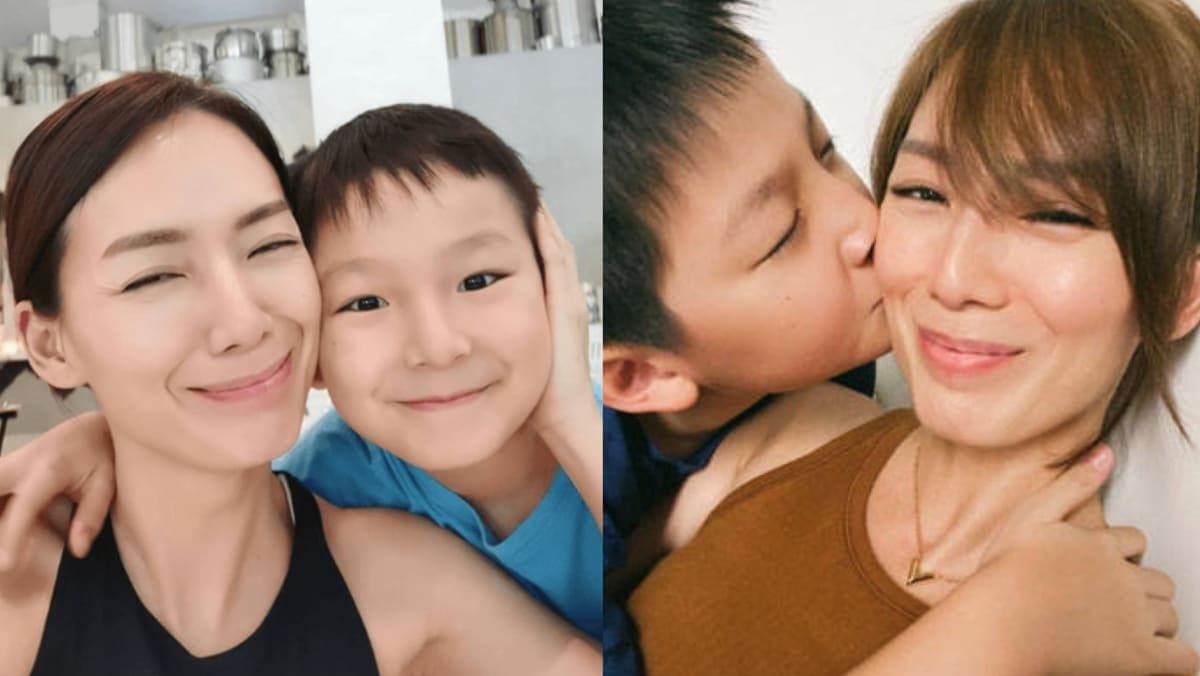
The Singapore entertainment-to-creator pipeline — in which former broadcast talent repurpose their public profiles into independent social media audiences — is now a durable feature of the local creator economy. Jacelyn Tay, a 49-year-old former Mediacorp actress who divorced in 2018, is a working example: public reporting from 8days indicates she is currently active as a health coach and maintains a practitioner-level Instagram presence, using the platform to share personal content that consistently draws coverage from mainstream entertainment media.

That media coverage itself is commercially relevant. When a celebrity-turned-creator publishes an Instagram post and that post is picked up by outlets such as 8days, the creator's reach effectively extends beyond their own follower count at no additional distribution cost. This piece examines what Tay's trajectory signals about how Singapore's entertainment-to-creator pipeline functions and what it means for brands and agencies working in that space.

Authenticity Positioning Drives the Post-Broadcast Creator Model

Tay's Instagram content, as reported by 8days, centres on personal life disclosures — her singlehood, co-parenting relationship with her son Zavier, and candid reflections on daily routines. This content architecture is characteristic of the post-broadcast creator model, where former mainstream talent trade scripted-performance credibility for perceived personal authenticity. The niche Tay occupies — single parenthood, wellness, lifestyle — is commercially active in Singapore, attracting brands in the health, personal care, and family-services categories.

Her current professional identity as a health coach also creates a direct content-to-commerce alignment that pure entertainers lack. A credentialled wellness identity gives her Instagram output a functional authority layer, which in turn makes brand partnerships in adjacent categories — supplements, fitness, mental wellness — easier to contextualise for followers and more defensible for brand partners managing message consistency.

Implications for Talent Agencies and Brand Collaboration Teams

For talent agencies managing Singapore's entertainment-to-creator pipeline, Tay's profile illustrates both an opportunity and a segmentation challenge. Legacy entertainment figures carry name recognition that newer digital-first creators typically spend years building, but their audience demographics may skew older and their follower growth trajectory is often flatter than that of platform-native creators. Agencies need to position them as authority voices within a defined niche rather than as high-reach generalists.

Brand collaboration teams evaluating talent in this segment should note that media pick-up frequency — how often an organic post generates a secondary news article — functions as a meaningful reach multiplier. Public reporting from entertainment media effectively extends campaign impressions without incremental spend. For categories where editorial credibility matters alongside social proof, this earned-media amplification can make established legacy talent commercially competitive even at follower counts that would otherwise seem modest by platform benchmarks.

What to Watch in Singapore's Legacy-Talent Creator Segment

The volume of Mediacorp alumni transitioning to independent creator or wellness-professional roles has been observable for several years and shows no confirmed sign of slowing, though precise figures on the size of this cohort are not publicly compiled. Platform documentation from Instagram and mewatch — the latter of which continues to feature Tay in productions including Love Concierge — suggests the boundary between broadcast and creator output is deliberately kept permeable, with streaming appearances reinforcing a creator's social media profile and vice versa.

The open question for the segment is monetisation depth: whether legacy-talent creators are building diversified revenue across brand partnerships, digital products, and direct community subscriptions, or remaining primarily dependent on one-off sponsored posts. That structural question will determine whether figures like Tay represent a sustainable creator business or an extended visibility play with limited long-term commercial upside.

The Pattern Holds Across Singapore's Creator Economy

Jacelyn Tay's trajectory through the Singapore entertainment-to-creator pipeline — Mediacorp actress to health coach to Instagram content anchor — is less an individual story than a template visible across Singapore's creator economy. The combination of residual name recognition, niche professional credentialling, and earned media amplification creates a commercially viable profile for the right brand categories, provided agencies and collaboration teams assess it with pipeline-appropriate metrics rather than volume benchmarks designed for platform-native creators.

As the pipeline continues to mature, the terms on which legacy talent are evaluated — and how agencies package them for brand clients — will increasingly define the mid-tier of Singapore's influencer market.

Frequently Asked Questions

The Singapore entertainment-to-creator pipeline refers to the pattern in which former broadcast or mainstream entertainment talent — such as ex-Mediacorp actors — leverage existing public profiles to build independent social media audiences and creator businesses. The transition typically involves a niche repositioning, such as wellness, parenting, or lifestyle, rather than a direct continuation of entertainment content.

Legacy entertainment talent often carry name recognition built over years of broadcast exposure, which can accelerate trust-building with certain audience demographics. They also tend to generate earned media — mainstream outlets covering their organic posts — which extends campaign reach beyond follower counts. For categories where editorial credibility matters, this amplification can offset a smaller native following.

A professional wellness credential creates a content-to-commerce alignment that strengthens brand partnership logic. Public reporting indicates Tay operates as a health coach alongside her social media presence. This gives brand partners in adjacent categories — personal care, supplements, fitness — a functional authority frame when associating with her content, making the partnership easier to justify internally and to audiences.

Agencies should account for earned media amplification alongside native follower metrics. When a creator's organic post regularly generates secondary coverage in entertainment outlets, effective reach exceeds platform-reported figures. Agencies assessing legacy talent in the Singapore entertainment-to-creator pipeline should track media pick-up frequency as a supplementary KPI alongside standard engagement rate and follower growth.

Public reporting indicates Tay continues to appear in mewatch productions while maintaining her Instagram creator presence. This dual-channel activity functions as mutual reinforcement: streaming appearances generate press coverage that surfaces the creator's social profile, while active social content keeps audience attention between productions. Talent agencies can use this overlap to argue for retained visibility value during periods between broadcast projects.

Based on the pattern visible in public reporting on Singapore's creator economy, wellness-adjacent creators from entertainment backgrounds tend to perform in personal narrative categories — parenting, lifestyle routines, relationships, and self-improvement. These content types sustain engagement through personal disclosure rather than specialist information, which suits creators whose authority is rooted in relatability rather than formal qualification alone.

Source: 8 DAYS