
MCN Singapore
Back to Insights
Blog

Celebrity divorce drama on Weibo signals how Chinese-language live streaming drives influencer traffic in Singapore's regional content market

2026.10.28 · 8 min read

The Weibo live-stream disclosure by Ge Huijie — Wang Feng's former girlfriend — about his post-divorce romantic life illustrates a well-documented monetisation pattern: celebrities and adjacent figures use unverified personal revelations during live streams to generate audience spikes, platform algorithmic lift, and commentary traffic. For brands and agencies operating in the Chinese-language creator space across Singapore and the region, understanding how this mechanism functions is a practical procurement concern.

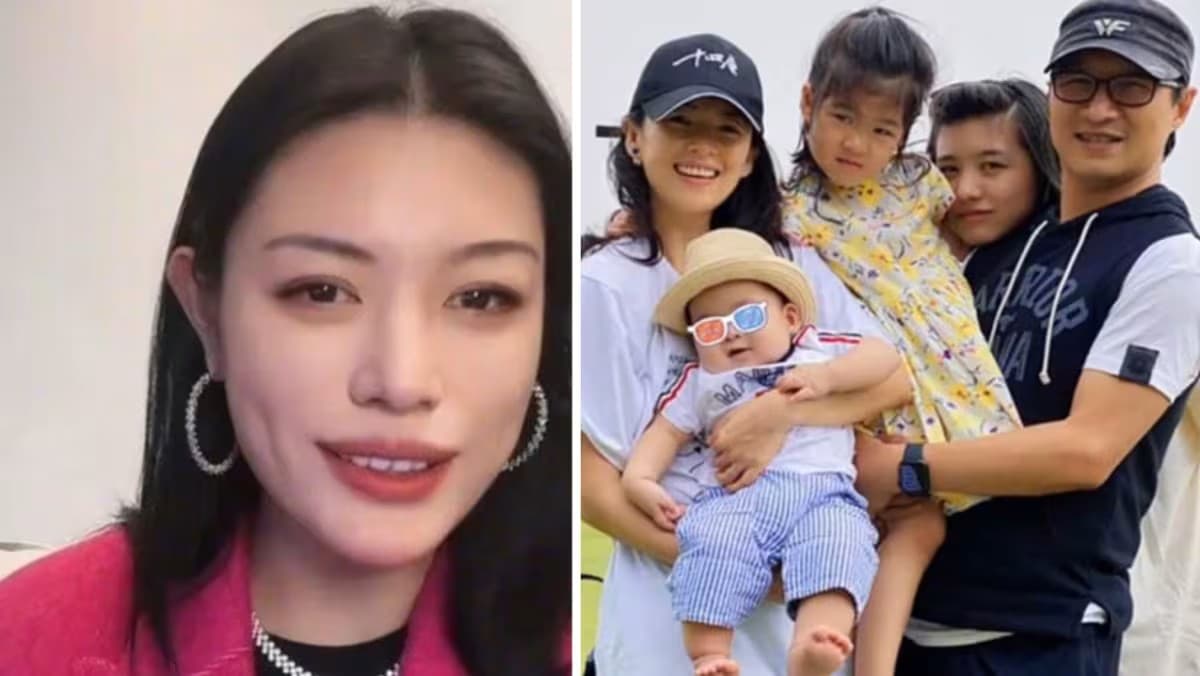
Wang Feng Said To Have A New Girlfriend 3 Months After Divorce With Zhang Ziyi - 8days

Weibo live streams and the attention economy around celebrity relationships

Chinese-language live streaming celebrity traffic generated by adjacency to high-profile figures is a recognised content strategy on platforms such as Weibo, where Ge Huijie — model and former girlfriend of Chinese rock musician Wang Feng — broadcast an unverified claim in January 2024 that Wang Feng had a new girlfriend approximately three months after his publicly announced divorce from actress Zhang Ziyi. The disclosure was not sourced from Wang Feng or his representatives; it came from a figure whose relationship to the subject gave her perceived insider credibility, even as a substantial portion of the Weibo audience publicly questioned its accuracy.

This piece examines what that episode reveals about how live-streaming disclosure functions as an audience-acquisition mechanism on Chinese-language social platforms, and what that means for brands and creator agencies evaluating talent whose reach is built on, or amplified by, proximity to celebrity gossip.

How celebrity adjacency generates platform traffic without verified facts

On Weibo and comparable Chinese-language platforms, live-streaming sessions by figures who are one or two degrees removed from a high-profile celebrity — former partners, estranged family members, former collaborators — routinely attract viewer counts that dwarf those of the same person's regular content. The mechanism is straightforward: a high-salience news event (in this case, a publicly confirmed celebrity divorce) creates an information vacuum, and audiences migrate toward any account that credibly claims to fill it. Ge Huijie's cryptic initial post — asking Wang Feng to contact her using a phone number she claimed he knew — generated speculative commentary before she had disclosed anything of substance. The live stream that followed converted that speculation into viewership.

Critically, the information shared does not need to be verified by the platform to drive traffic. Weibo's content policies, like those of most social video platforms, do not require a speaker to substantiate personal claims made in real time during a stream. Netizen reactions quoted in the 8days source article illustrate the split-audience dynamic this creates: some users treat the disclosure as credible, others dismiss it as fabricated for attention. Both responses generate engagement signals that the platform algorithm reads as content performance, regardless of the claim's accuracy.

Implications for brands and agencies sourcing Chinese-language talent in Singapore

Singapore-based creator agencies and brands that activate Chinese-language influencers for campaigns need to account for the reputational volatility that celebrity-adjacency traffic introduces. A creator whose Weibo or Douyin following spiked on the back of unverified gossip about a third party carries audience composition risk: the followers attracted by a single viral disclosure event are not the same as a stable, interest-aligned community. Platform analytics will show a follower count or average live-stream viewer figure, but without a breakdown of when and why that audience grew, a brand cannot reliably predict campaign reach or sentiment.

There is also a brand-safety dimension specific to the mechanism. If a talent's public profile is intertwined with an ongoing and contested celebrity dispute — as Ge Huijie's is with both Wang Feng and, by extension, Zhang Ziyi — any brand association activates during a period of active public scrutiny. The 8days article notes that a segment of Weibo users explicitly characterised Ge Huijie's statements as a pattern of attention-seeking rather than credible reporting. Agencies conducting talent due diligence on Chinese-language creators should include a review of whether prior traffic peaks correlate with controversy rather than with content quality or niche authority.

What the episode confirms about unverified disclosure as a content format

The Wang Feng–Ge Huijie episode is not an isolated incident; public reporting and platform behaviour data consistently show that unverified personal disclosure during live streams is a repeatable traffic strategy on Chinese-language platforms. The format works because it exploits the real-time, ephemeral feel of live video — statements made in a live stream carry a sense of spontaneity that pre-produced content does not, even when the timing of the disclosure is clearly strategic. Ge Huijie's initial Weibo text post functioned as a trailer; the live stream was the event.

For creators themselves, the risk is that the strategy is self-limiting. Audiences calibrate credibility over time, and the 8days source article captures the netizen scepticism that follows a figure who has been publicly associated with questionable disclosures in the past. Chinese-language live streaming celebrity traffic generated through controversy can build a following, but retention depends on whether the creator can convert that attention into content that sustains audience trust beyond the triggering event.

The episode's significance for Singapore's regional Chinese-language creator market

The Wang Feng and Zhang Ziyi divorce, and the surrounding commentary from adjacent figures such as Ge Huijie, is part of a content ecosystem that Chinese-language audiences in Singapore actively consume. Weibo, WeChat, and Douyin reach significant portions of Singapore's Chinese-speaking population, and domestic Singaporean creators operating in the celebrity-commentary or entertainment-news genre compete for the same audience attention as China-based figures whose personal lives generate cross-platform coverage.

For MCN operators and talent managers in Singapore, this regional dynamic means that a single Weibo disclosure event in China can shift audience expectations and content norms for local creators working adjacent niches. Understanding how Chinese-language live streaming celebrity traffic is generated — and what sustains it beyond the initial spike — is therefore not merely a matter of following celebrity news; it is a practical intelligence input for content strategy and talent positioning in the Singapore market.

Frequently Asked Questions

Weibo's algorithm treats real-time engagement signals — comments, shares, and watch duration — as indicators of content quality regardless of whether the claims made are verified. A figure with a credible personal connection to a high-profile celebrity creates an information-scarcity dynamic following a major news event, drawing audiences who seek insider detail. The 8days report on Ge Huijie's live stream shows this pattern clearly: the initial cryptic post generated speculation, and the stream monetised that speculation.

Brands should request a longitudinal view of follower growth and live-stream viewer data, then correlate peaks against public controversy timelines. An audience built on a single viral disclosure event is less stable and less interest-aligned than one grown through consistent niche content. Agencies should also review whether the creator has a documented history of unverified claims, as audience scepticism — evident in the netizen commentary captured in the 8days source article — can degrade campaign credibility.

Yes. Public reporting on Weibo and Douyin content patterns consistently identifies celebrity adjacency as a recognised traffic strategy. Figures with a personal connection to a high-profile subject — even a contested or estranged connection — gain algorithmic visibility when that subject is in the news. The Ge Huijie episode, as reported by 8days, is a well-documented example of this format: a cryptic post followed by a live-stream elaboration designed to convert speculative interest into viewership.

The primary risk is associational volatility. If the talent's name is being actively debated on social platforms — with a meaningful share of users characterising their statements as unreliable — any brand logo or product featured in their content appears within that contested context. The 8days article records explicit netizen statements questioning Ge Huijie's credibility, which means a brand activated during or shortly after the live stream would appear alongside that public scepticism.

Weibo's platform policies, like those of most major social video platforms, do not impose a real-time factual verification requirement on personal statements made in live streams. Moderation focuses primarily on content that violates legal standards or explicit community guidelines. Unverified claims about the romantic lives of third parties — as Ge Huijie made about Wang Feng — are not automatically removed, which means the traffic generated by such claims is not contingent on their accuracy.

Singaporean creators producing celebrity commentary or entertainment news in Mandarin compete for the same audience attention as China-based figures. A high-engagement story on Weibo — such as the Wang Feng and Zhang Ziyi divorce and its subsequent disclosures — shifts audience expectations about the pace and intimacy of coverage. Local creators who cover the story benefit from search and algorithmic lift; those who ignore it may see relative audience migration toward accounts that do engage with it.

Retention risk is significant. Chinese-language live streaming celebrity traffic generated through unverified controversy is audience-acquisitive but not audience-retentive. Over time, audiences calibrate credibility: the 8days source article notes that a segment of Weibo users explicitly associated Ge Huijie with a pattern of unreliable statements. Creators who cannot transition from controversy-driven traffic to consistent, trust-building content typically experience follower attrition once the triggering news cycle ends.

Source: 8 DAYS ↗